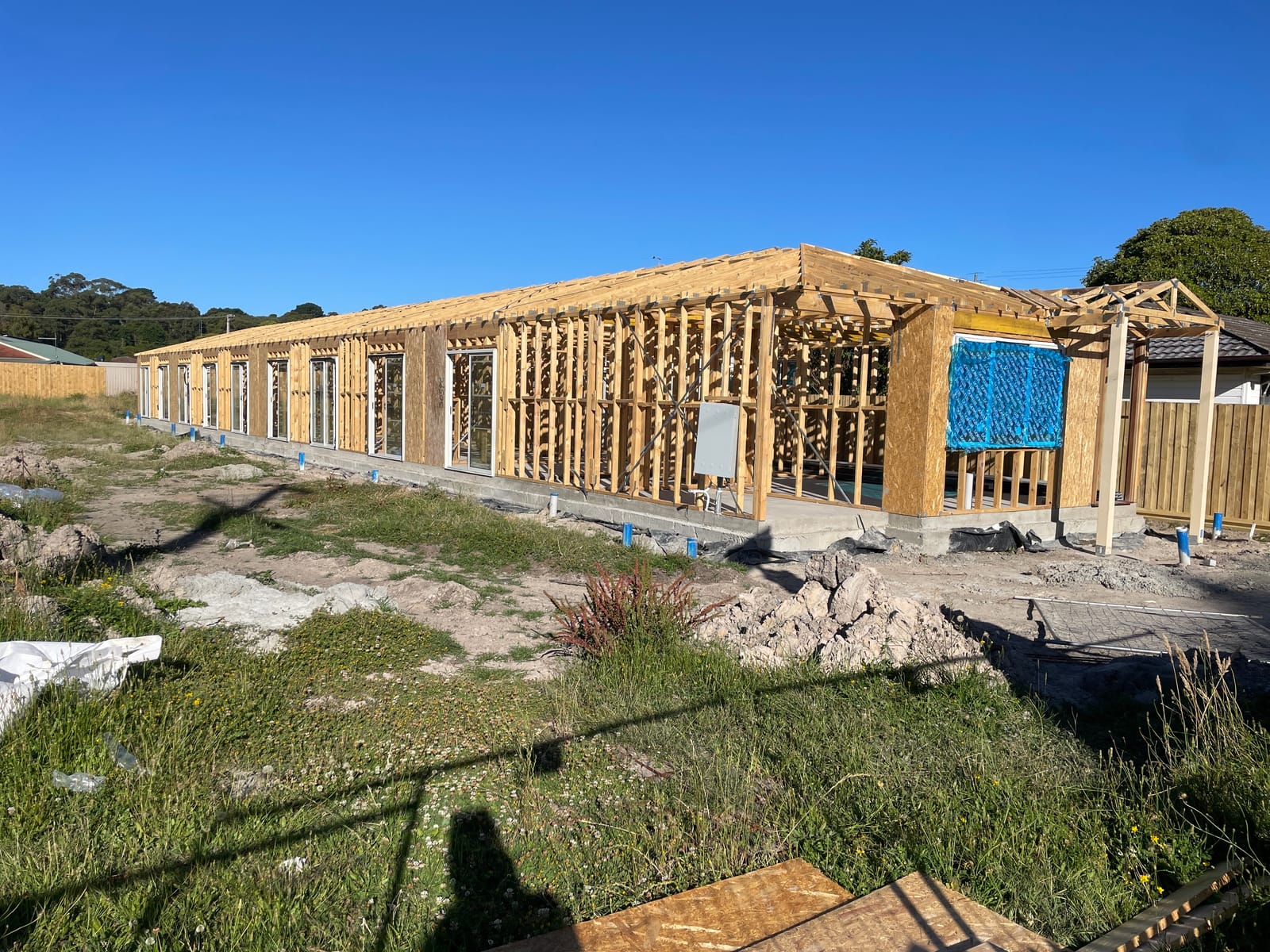
A new multi-occupancy development in Foster is being positioned as part of the solution to the town’s well-documented housing shortage, with the owner saying the goal is to provide flexible, secure and low-stress accommodation for people who want to live and work locally.
The property at 41 Station Road is being developed as a Class 1B rooming house and will feature nine self-contained studio-style rooms, each with its own bathroom, kitchenette, workspace and balcony, along with shared common areas.
Owner, local businessman Ben Shute, said the project was designed to fill a gap in the local market, particularly for people who struggle to secure traditional rentals in the current climate.
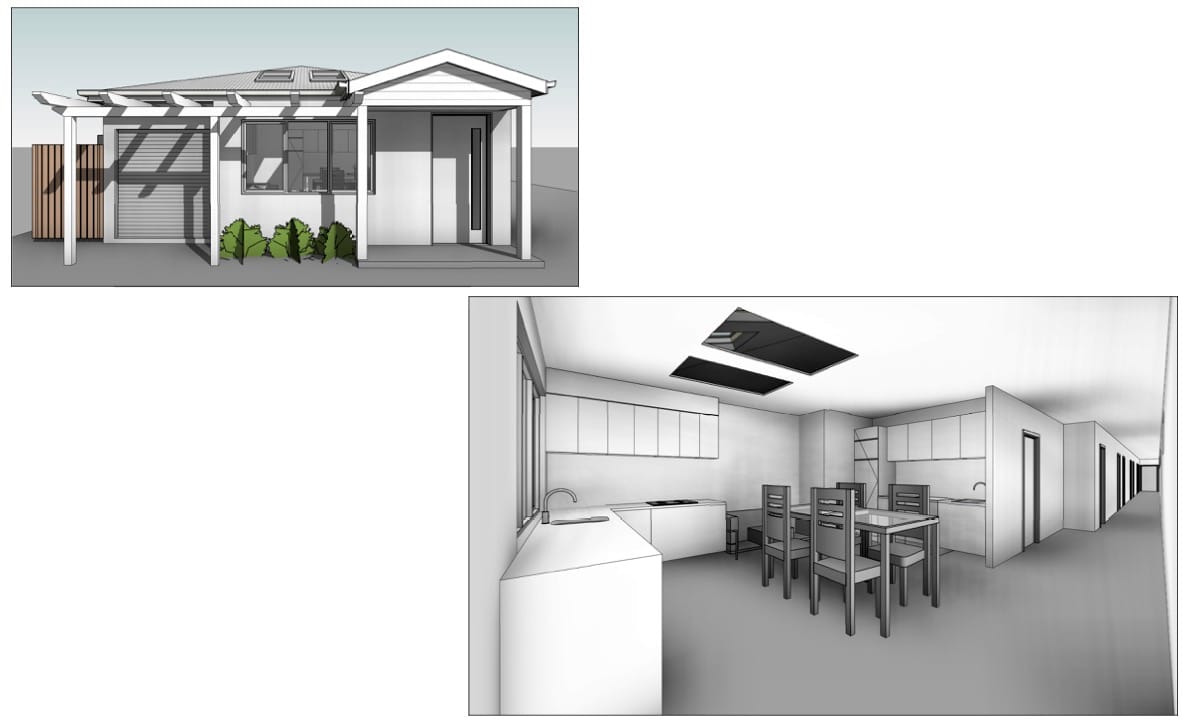
The accommodation is being designed to feel closer to renting a small apartment than a traditional share house, with utilities such as power, water and internet included to help residents budget with certainty.
While early community discussion centred on uncertainty about ownership and who might move in, Ben said tenant selection and day-to-day management will be handled professionally, with an emphasis on maintaining a stable and respectful living environment.
Likely applicants could include young professionals, graduates completing placements, visiting medical or essential workers, or people new to the area who want to live locally before committing to buying property.
The development could also support older residents looking to move closer to town services or downsize from larger rural rental homes, potentially freeing up family housing elsewhere in the district.
Shute said the final mix of residents would depend on applications, but the intention was to create a calm, well-managed environment rather than short-term or transient accommodation.
The design also includes disability access and is located within walking distance of Foster’s town centre and medical district, making it suitable for residents who want independence while remaining connected to services and the community.
Beyond the immediate benefits for residents, the project represents an increase in local housing stock at a time when regional towns continue to face supply challenges. Local workforce shortages across health, agriculture, tourism and service industries have often been linked to housing availability, particularly for short-to-medium term workers relocating to the district.
By offering an alternative to full standalone rentals, developments like this may help ease pressure across the broader housing market while providing additional housing choice within the town.
With construction progressing and leasing yet to open, who ultimately calls 41 Station Road home will depend on demand, but the project is already being positioned as a flexible housing option aimed at supporting Foster’s workforce, older residents and future growth. David Barrett