With Juneen Schulz
Gardening for the New Year
I wonder what the New Year will bring to you this year? I think one of the most significant concepts we could achieve this year is to grow more food, be it in our own backyard or in a community space or your neighbour’s patch. Our purpose is to be less reliant on fresh food from the supermarket and to be more resilient within our own community. This is possible if we all support one another by encouraging each other in growing food or by purchasing locally grown and locally produced food.
So, make this the year to grow a little more food in your space. Dig up the front lawn or add another garden box. Containers are ideal for food production if space is an issue. Your neighbour's vacant back yard is an option. Join a community garden near you. Get a group together and lease a small space in a farmer’s paddock. Support a farmer or gardener nearby and purchase their products. There are lots of options for increasing food production in our community.
It’s been a dry start to the year and some of us were getting a little concerned but then the east wind blew in some rain, what a relief. There’s nothing more satisfying than a good summer soaking of rain. The gardens love it and so do our water tanks.
As the days get warmer and drier make sure you keep the mulch around your seedlings and established plants to help with the loss of moisture. Even if it’s just spent plants cut up and dropped where they were growing. A variety of mulches will feed your soil and its micro residents which in turn will feed your plants. I use the cut and drop method regularly. Variety is the key in your garden, both in the collection of plants growing and the soil additives, especially when creating compost. When one looks at a garden with variety, flowering, going to seed, wild and unkempt, there is health and vitality. I love a wild garden. It’s full of life.
Many of your veggie plants and herbs will be going to seed, this can be a perfect time for collecting seeds. But there is a process in collecting the strongest and best variety because you want to save the best seeds only; with no cross pollination. Some of the easiest seeds to save are beans and peas. Leave the first few bean and pea pods on your plants to grow large and to dry in the pods before collecting. Make sure the pods have dried before harvest, then pod the seeds and dry a little more before putting them into a jar. To keep away little creatures that can damage your new seeds, freeze for 24 hours in the jar and then put a moisture absorption sashay (collected from the tortilla pack) within the jar. Your seeds should be viable for a couple of years. The best book to help you learn more about seed saving is ‘The Seed Saver Handbook’ by Michel and Jude Fanton.
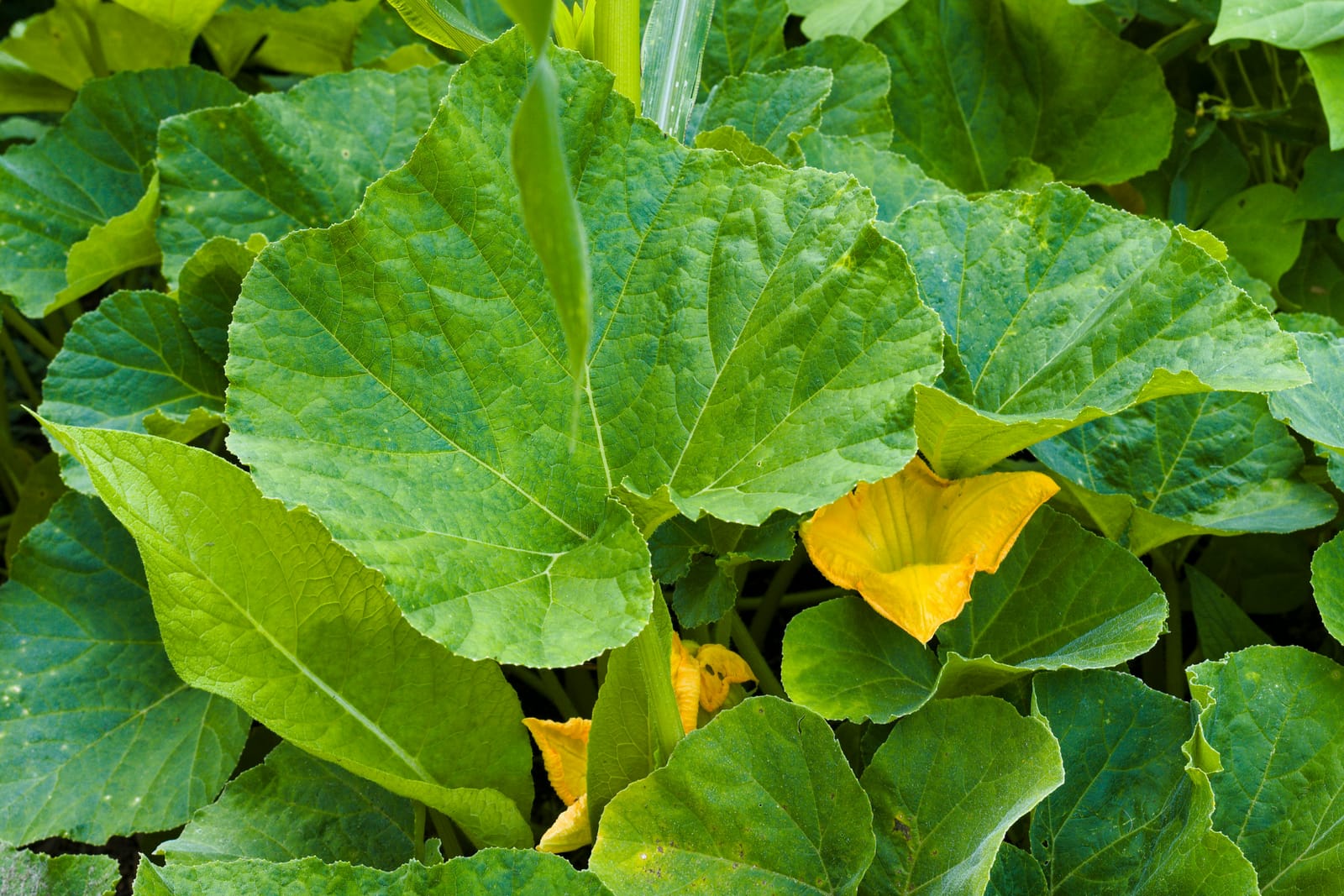
If your pumpkins have taken off down the back yard and have a number of developed fruit, then you can prune the tips of the pumpkin vine to allow the energy to go into the developing fruit. Continue to liquid feed your garden every two weeks while everything is in full production.
While summer is the season when many crops bear fruit regularly, there are many other leafy greens that are enjoyed at this time of the year also and it’s important to plant these veggies every three weeks to have a continual supply throughout the season. Just plant a small row and then you’ll have an abundance of greens to add to your meals.
What to plant now
There is still just enough time to plant dwarf beans, then beetroot, carrots, celery seedlings, lettuce, radish, endive, salad greens, parsnips, leeks, spring onions, silverbeet, Swedes, and turnips. Now is a great time to start your winter seeds while the soil is still warm, including broccoli, cabbage, cauliflower, kale, collards. They’ll be ready to transplant into the garden in mid-March.