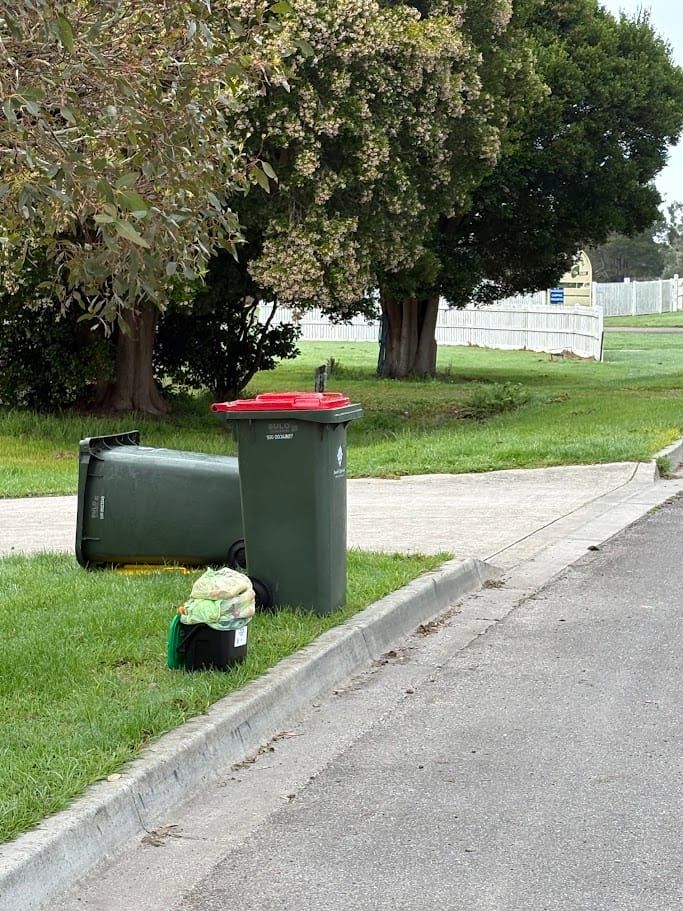
South Gippsland's rollout of the new FOGO (Food Organics and Garden Organics) bin system and the shift to fortnightly general waste collection from 1 July has prompted some confusion on the kerbside, and a wave of community discussion online, with residents divided on whether the changes are sensible environmental policy or an unfair cost shift onto households already under financial pressure.
Supporters of the change note that many households have been surprised to discover how little general waste they actually produce once food scraps are diverted. Several commenters reported that their red-lid bin is now barely half full on collection day, and that the new system has made them more conscious of what they buy and throw away.
But the concerns being raised are real and varied. Families with babies have pointed out that disposable nappies fill a small bin quickly, and that fortnightly collection in summer raises genuine questions about smell, hygiene and public health. Others with medical needs, including those using continence aids, have flagged that the one-size-fits-all approach does not account for households with unavoidable waste streams. Residents who already compost or keep chickens have questioned why they are being charged for a food waste bin they have no use for.
A recurring question in the discussion is whether the reduction in collection frequency has translated into any saving in the waste charge, and if so, where that saving has gone.
Some residents have also pointed out that other Victorian councils, including Port Phillip, have introduced FOGO while maintaining weekly red-bin collection.
The Prom Coast News put those questions directly to Council.
On the decision to move to fortnightly red-bin collection, Council said the change was driven by the need to keep cost increases as low as possible while meeting the state government's FOGO mandate. "As food scraps are generally the main source of odour in household waste, these are now collected through the green-lidded FOGO bin on a weekly basis," Acting South Gippsland Shire Council CEO, Lucas Gardiner, said.
"Providing both a weekly FOGO collection and a weekly general waste collection would significantly increase costs for all residents, as the service cannot be separated household by household," Mr Gardiner added. Council considered the weekly FOGO and fortnightly general waste arrangement to be the fairest and most cost-effective approach, as many households are likely to be able to manage their general waste within the new collection schedule.
On the question of households with higher waste needs, Council confirmed that residents can opt for a larger red-lidded bin for an additional cost, based on a user-pays approach. Council also suggested residents speak with neighbours who do not use their full bin capacity to explore whether space can be shared.
On the question of odour and hygiene over summer, Mr Gardiner pointed to experience from other councils suggesting bins are not usually noticeably smellier over a two-week cycle. Practical advice included wrapping nappies and continence products tightly, keeping lids closed, storing bins in shade and adding vinegar, bicarbonate of soda or eucalyptus oil if needed. He encouraged any household experiencing ongoing issues to contact the Waste team directly. Cara Schultz