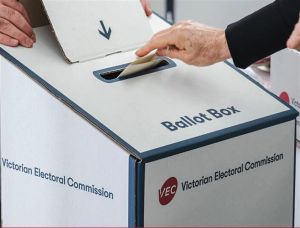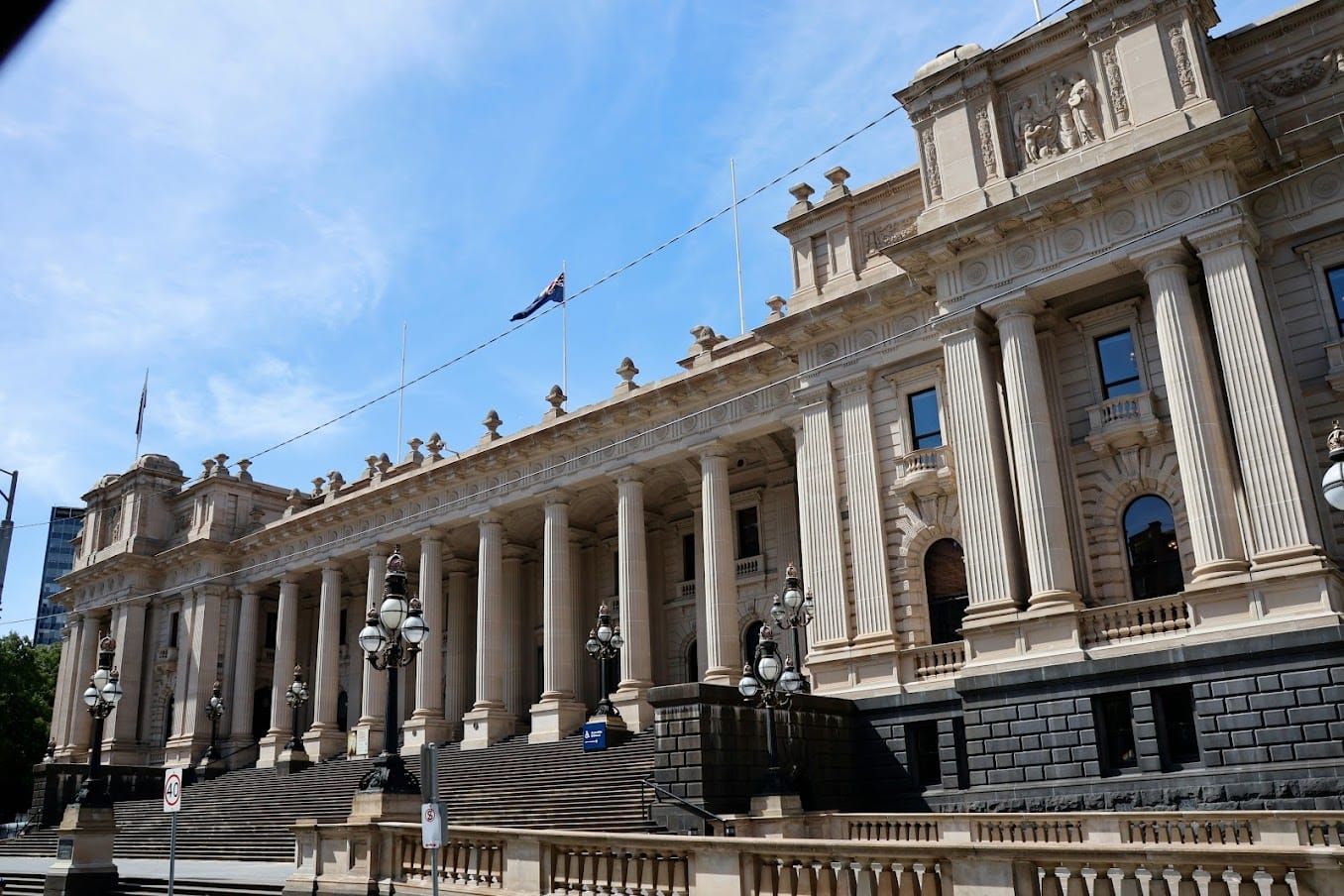
For the first time in the state’s history, Victorians voting in the Legislative Council on 28 November will control where their own preferences go, a change that is expected to reshape who wins seats in the upper house, and one that adds a layer of uncertainty to an already unpredictable contest in Eastern Victoria.
Until now, Victoria was the last jurisdiction in Australia to use group voting tickets in its upper house elections. Under that system, a voter who ticked a box above the line handed their preferences entirely to the party they chose, which had pre-arranged where those preferences would flow. This system allowed small parties to pool preferences through deals brokered by operators such as Glenn Druery’s Minor Party Alliance, a form of preference harvesting that allowed micro-parties to win seats on tiny primary votes.
That system is now abolished. For this election, above-the-line voters in the Legislative Council will number parties in the order they prefer, the same way we vote for the federal Senate. Your preferences follow your numbers.
The upper house is divided into eight regions, each electing five members. South Gippsland falls within the Eastern Victoria Region, where 32 candidates are competing for those five seats. To win one, a candidate needs roughly 16.7 per cent of the vote, an achievable threshold for major parties and well-established minor parties, but high enough to block most micro-parties running on slim primary votes.
Your preferences will now go where you direct them, so it is worth numbering more than one party above the line to ensure your vote continues to matter as it flows through the count.