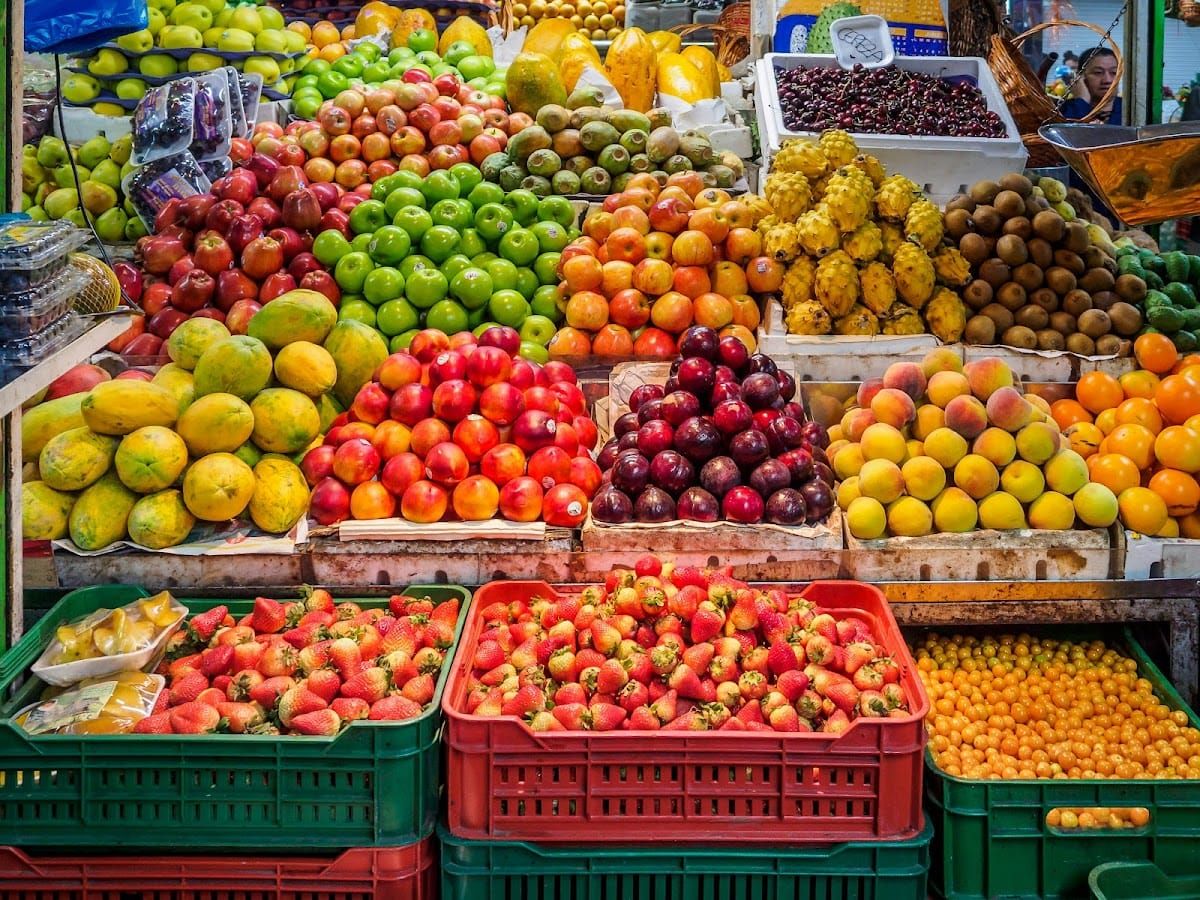
Rising grocery prices making national headlines are being felt in more complex ways in regional towns like Foster, where fuel and freight are driving costs behind the scenes.
A recent ABC report highlighted growing tension between supermarkets and suppliers over price increases, but for local operators, transport costs are emerging as the key pressure point.
At Foster’s family-owned fruit market, Aherns, supplier price rises have been uneven, but fuel-related charges are becoming more common.
We are seeing some increases from suppliers, mainly in dry goods, and others haven’t increased,” owner Sam Bright says. “The most notable difference is the fuel levies being placed on supplier orders that normally wouldn’t have them.”
Freight costs, particularly for fresh produce from the Melbourne market, have jumped sharply. "To help us keep our prices down as much as possible we have started going to the market to collect it ourselves," Sam notes.
Overall, the Aherns team says they are absorbing as many costs as possible. “We are holding our prices as much as we can. We are not including fuel levies in our product pricing so that customers do not have it passed on,” Sam says.
Dairy, particularly milk, is among the products beginning to feel pressure, while fruit and vegetable prices continue to fluctuate.
Industry group Master Grocers Australia, that represents both IGA and Foodworks, warns those pressures are unlikely to ease soon. “Independent grocers are doing everything they can to shield customers from rising costs, but goodwill does not pay a fuel bill,” CEO Martin Stirling said.
He said recent government measures on fuel costs may only delay further increases, with ongoing concerns around diesel supply. “If diesel availability tightens further, regional communities will be impacted first.”
Alternative food providers are also expecting change. Farmers Pick, the grocery service that reduces food waste by selling ‘imperfect’ fruit and vegetables, says more households are likely to seek out cheaper options as budgets tighten. “We know many Australians are doing it tough right now, and regional communities are often feeling that pressure even more,” the company said.
For community services, the impact is already being felt. Rebecca Matthews, manager of Manna Gum Community House, said demand has been rising steadily. “The fuel crisis hasn’t created a new problem so much as it has further exacerbated an existing one,” she said.
Heading into winter, she warned some households will face stark choices. “There are households that will be making the choice of heating the house or paying for essential grocery items.” David Barrett