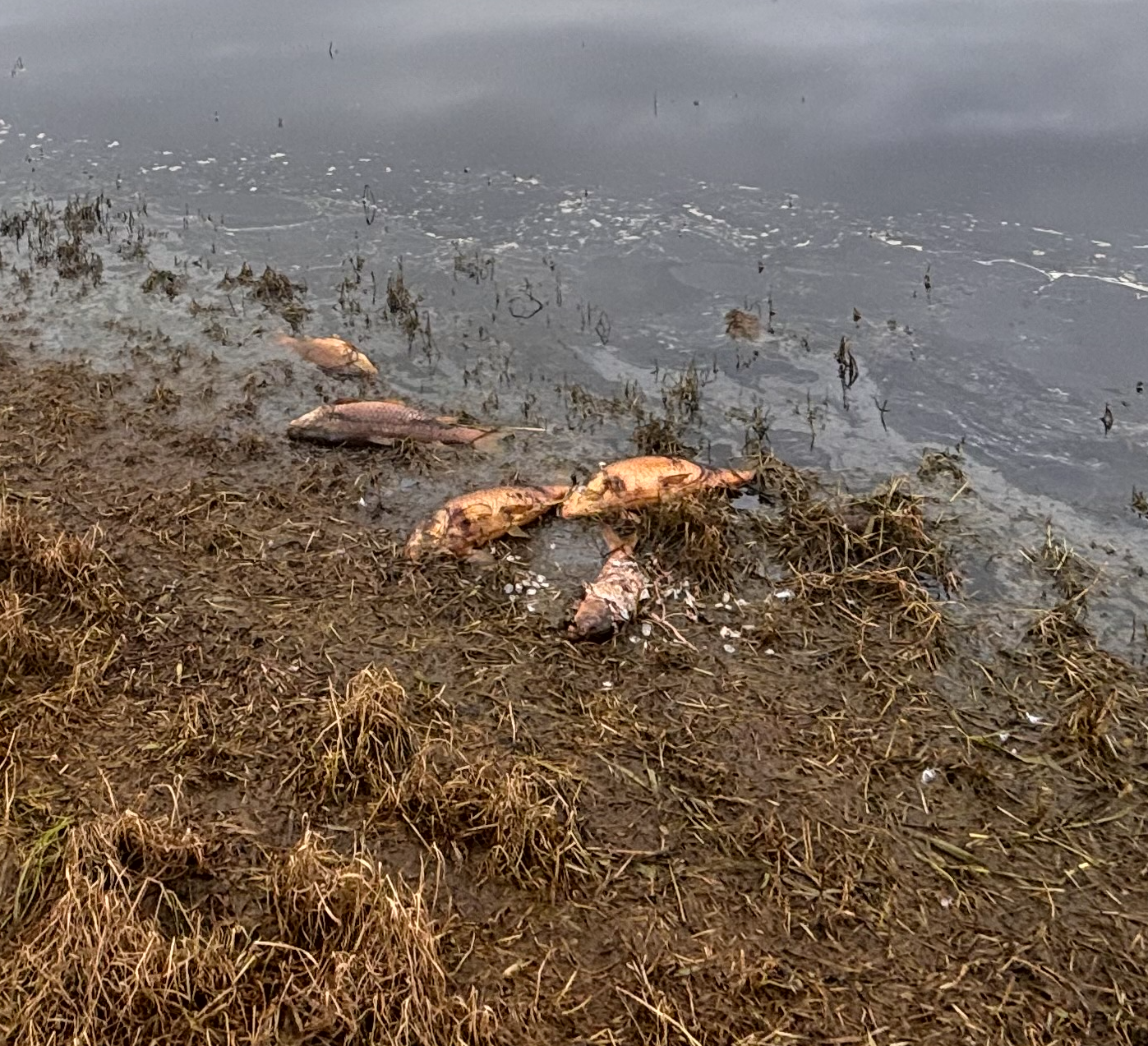
The Environmental Protection Authority (EPA) is investigating the cause of a fish kill that left hundreds of dead European carp floating in a drain leading to the Tarwin River near Berry's Creek on 20th November – the same river that provides drinking water to Meeniyan.
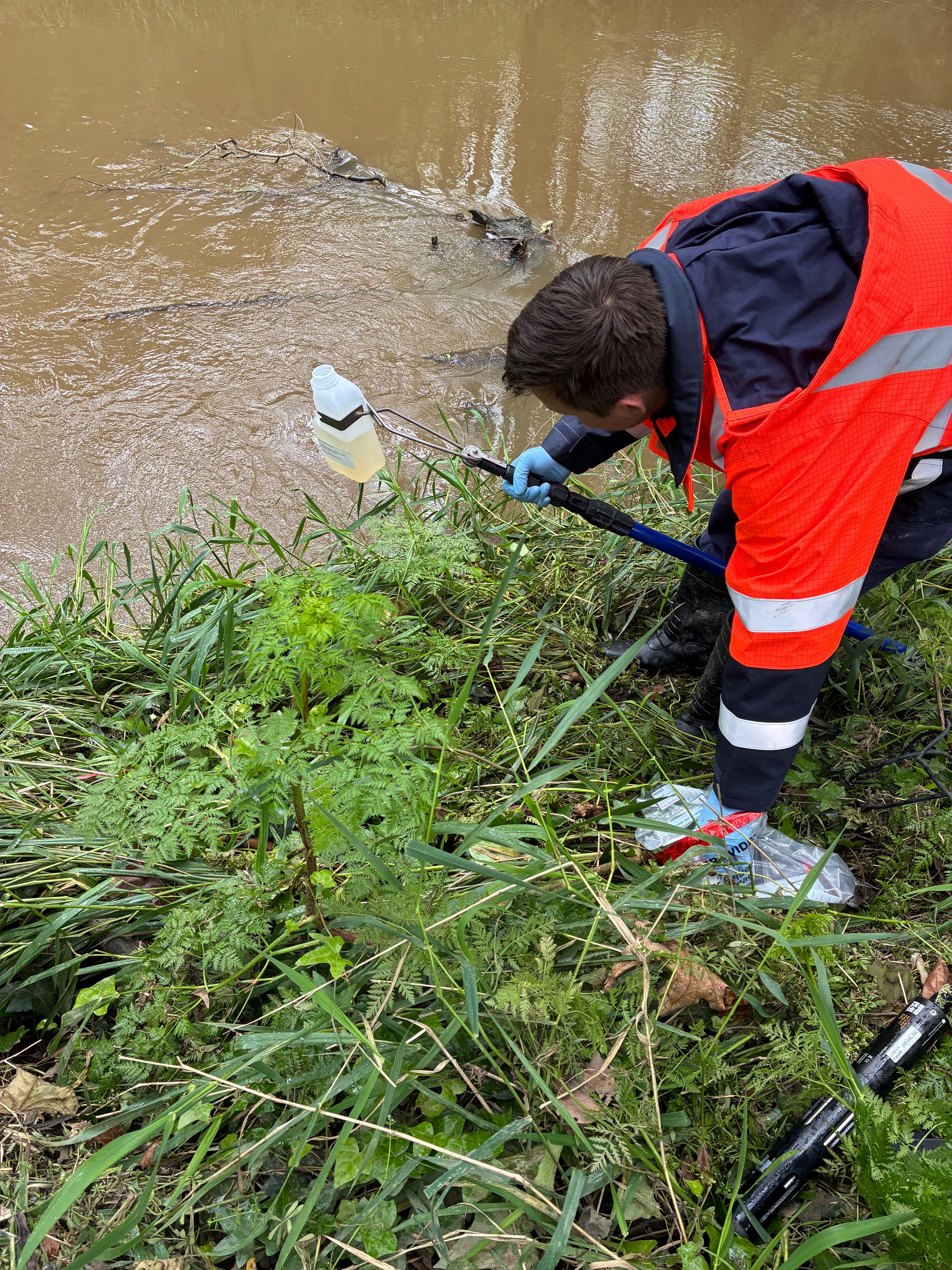
Testing on site confirmed that the fish were killed by a drop in dissolved oxygen content in the water, which the EPA said might have been caused by runoff of dairy effluent or other fertiliser from surrounding farmland, or from the natural process of decaying vegetation.
"The EPA investigation is ongoing, and we are awaiting the results of lab tests to confirm exactly what caused the reduced oxygen levels in the water," an EPA spokesperson said.
As a precaution, the EPA is recommending that members of the public avoid contact with water and fish in the Tarwin River in the Berry's Creek area while the investigation continues.
While no dead fish were found in the river itself, only in the drain, the incident has raised concerns about the long-term health of a waterway that is crucial for both agriculture and Meeniyan’s town water supply.
South Gippsland Landcare Network chair and Tarwin Landcare Group president Jillian Staton told the ABC that there have been concerns about the health of the Tarwin River and its neighbouring catchments for several years.
She said concerns emerged during a mangrove restoration project at nearby Anderson Inlet, which involved regular testing of water quality in the river.
"We found that for most of the year the Tarwin River did not meet the EPA benchmarks for a healthy Gippsland river," Ms Staton said.
Ms Staton said the Tarwin Landcare Group has been concerned there is not enough funding allocated towards improving the river's health compared to neighbouring rivers.
“The whole Tarwin River is really important for farming and our general community," she said. "A lot of our drinking water comes from the Tarwin."
A 2014 water quality management plan prepared for South Gippsland Water and South Gippsland Shire Council provides detailed information about the Tarwin River Water Supply Catchment, which provides water to both Dumbalk and Meeniyan.
The Tarwin Water Supply Catchment Water Quality Management Plan, by Ecos Environmental Consulting and Water Technology, found that grazing land uses constitute approximately 86 percent of the catchment area, "signifying the major importance of this land use on water quality in the Tarwin River and its tributaries."
The report identified cattle as a potential source of human infectious pathogenic protozoa and bacteria in the Tarwin catchment, zeroing in on Cryptosporidium parvum, which can cause watery diarrhoea and stomach cramps in humans. The report identified it as of most concern due to its resistance to oxidising disinfectants used in water treatment and greater environmental persistence compared to other microbial pathogens.
The 2014 plan recommended that South Gippsland Water prioritise improvement programs for riparian buffers and stock health as a first priority.
South Gippsland Water was contacted for comment about whether recommendations from the 2014 report had been implemented, but had not responded by publication time. They referred inquiries about the current incident to the West Gippsland Catchment Management Authority (WGCMA).
A WGCMA spokesperson said the authority is aware of the fish kill but did not wish to discuss the incident in detail while the EPA investigation is ongoing.
WGCMA CEO Martin Fuller stated, "The Environmental Protection Authority (EPA) is currently investigating the cause and at this stage the CMA is not aware of the outcome of this investigation and are therefore unable to comment on the specifics of the fish kill incident.”
Fuller said the CMA's role is to support and coordinate efforts to maintain and improve catchment health through project-based funding. "The CMA will continue to help coordinate effort and are currently working with a range of stakeholders to collectively develop a long-term vision and framework for action in the Tarwin catchment," Mr Fuller said. Cara Schultz