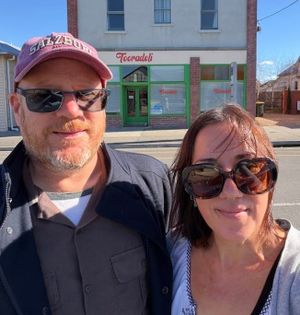
South Gippsland Shire Councillor Sarah Gilligan has co-chaired a National Coastal Council roundtable in Canberra, returning with a clear and pointed message: coastal communities are already on the front line of climate change, the federal and state governments are moving too slowly, and the financial stakes are far higher than most people realise.
The roundtable brought together representatives from coastal councils across Australia to discuss the growing pressures facing coastal environments: from sea level rise and coastal erosion to housing development, tourism pressure, access and biodiversity protection. The conversation, Councillor Gilligan told last week's South Gippsland Shire Council meeting, was frank and at times pointed.
"At the moment, it's the local councils who are starting to see issues and everybody else is far too far behind and we need to actually get on with this," she said. "When we looked at the sort of money that is needed by an individual council, some of them are more than $100 million just for one project."
The roundtable agreed on a set of priorities: a multi-level governance coastal adaptation framework; stronger resourcing for coastal councils (potentially between $5 billion and $10 billion over the next five years) through cofunding agreements between federal and state governments; and a push for coastal communities to be brought into adaptation conversations early, with genuine agency and choice in how they address risk and change.
Speaking to the Prom Coast News, Councillor Gilligan was frank about the political dimension of the challenge. "The mission is to get the state government to get on board and start recommending funding adaptation projects with cofunding agreements on offer from the feds," she said. She noted that South Gippsland's own Coastal Strategy had opened this conversation before the state government was prepared to act, and expressed cautious optimism that the federal government was finally coming around to adaptation rather than waiting to spend on emergency response.
There is now an intergovernmental working group, involving Victorian Minister Lily D'Ambrosio and Federal Minister Chris Bowen, working to create a national coastal hazard action plan. "It's been on the cards for a very long time," Councillor Gilligan said. "We're trying to put a rocket under it."
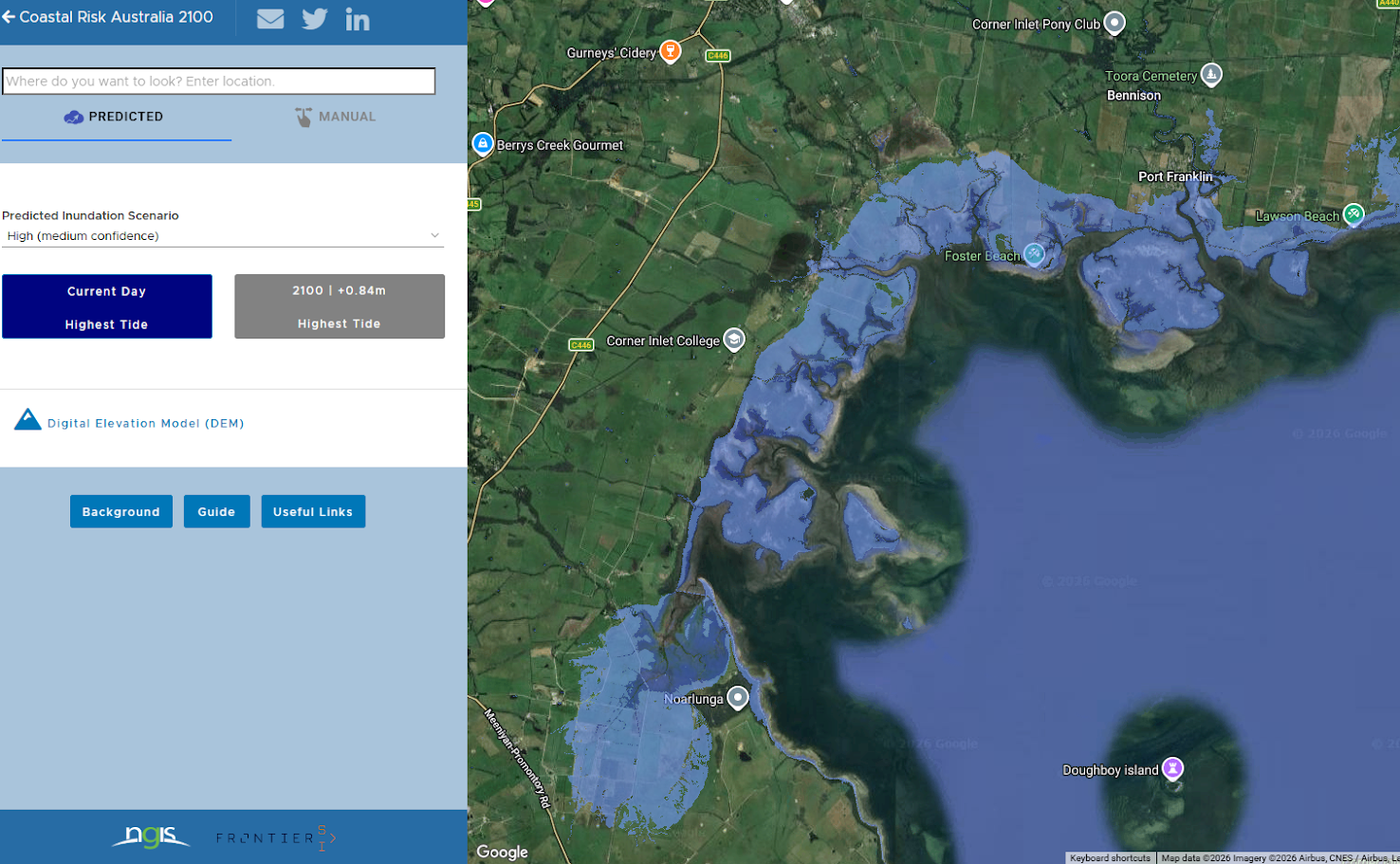
Her broader plea was for the conversation to be depoliticised. "This is beyond politics, this is beyond petitions and lobbying, this is real and this is risk. We need everyone to hold the same information so that decisions can be made fairly." She pointed to a new interactive map developed by Coastal Risk Australia as an important tool for locals to see a visual representation of sea level rise to the year 2100, available at https://coastalrisk.com.au/viewer.
The scale of the challenge nationally is illustrated by examples from around the country. Moyne Shire Council, along the Great Ocean Road, is facing a bill of around $60 million to clean up an old tip that is literally falling into the ocean. The Cocos Islands, where sea level rise is already reshaping community life, had very little community engagement in the process. It’s a mistake Councillor Gilligan is determined the Prom Coast community should avoid.