Are you preparing your garden for unpredictable weather? With high winds and frosts still possible, creating wind-protected areas and microclimates can help tender plants thrive safely.
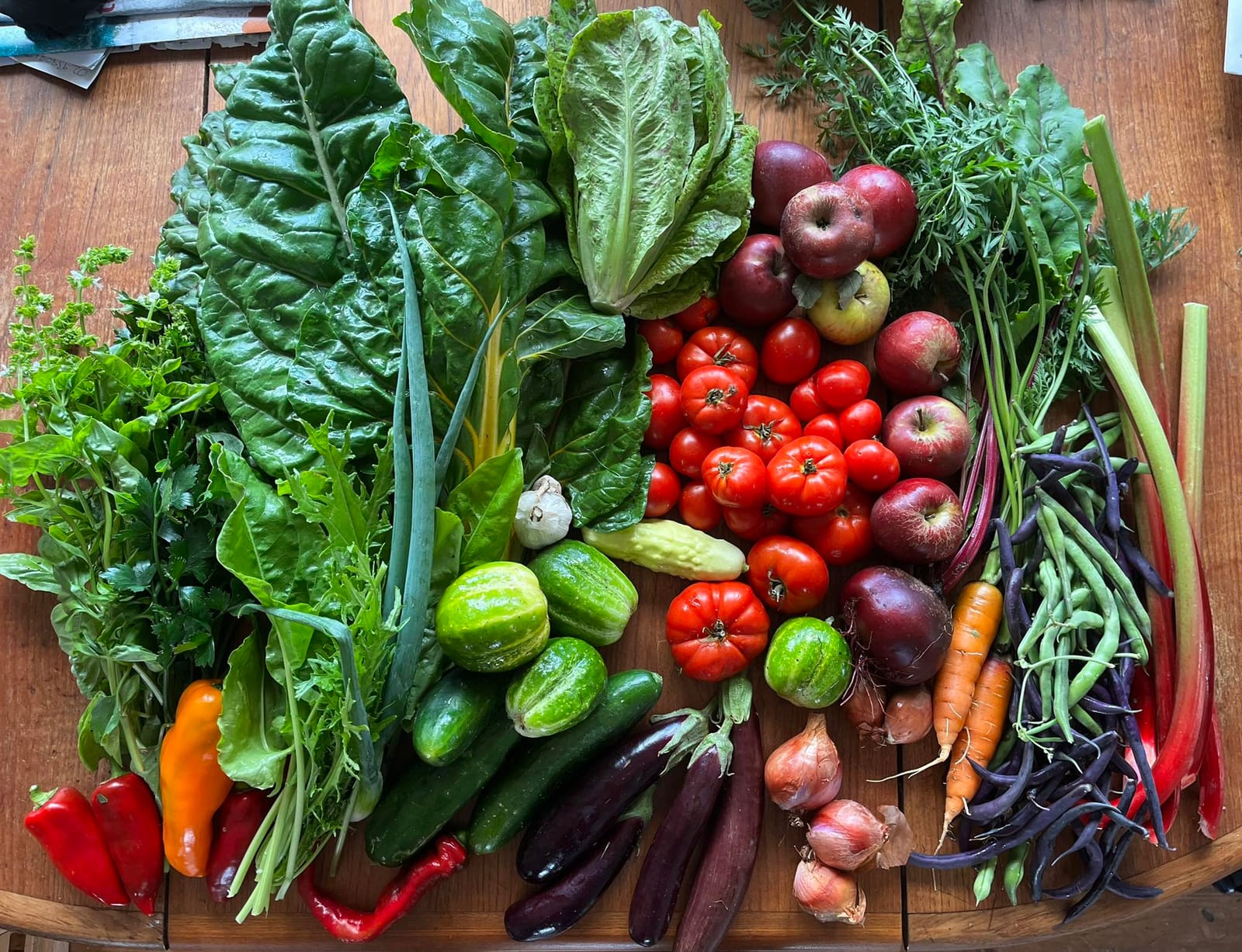
Green veggies are flourishing right now. Silverbeet, lettuces, rocket, broad bean tips, and mizuna love these warm, gentle conditions. Eating seasonally from your garden not only tastes better—it also saves energy by reducing the need for long-distance food transport.
Tomato growers, try pinching off lower branches to improve airflow and prevent fungal disease. Feed your plants with seaweed, Charlie Carp, or homemade liquid fertilisers to boost resilience. Plant flowers and herbs among your vegetables to attract beneficial insects, which naturally manage pests. Avoid insecticides, herbicides, and weed killers, they harm the good bugs you’re nurturing. Observation and patience are key.
Spending time in nature is equally nourishing. Forests release chemicals that calm the mind and lift mood. Simply lying on the forest floor, breathing deeply, listening, and being present can feel surprisingly restorative. Winter beach walks or dips have similar effects. Gardens connect us to nature, helping us feel balanced in a busy world.
Christmas is around the corner, perfect for reconnecting with family and friends. Consider buying gifts locally from farmers’ markets and shops. Every $100 spent locally keeps $68 circulating in the community, supporting our towns far more than big-city shopping trips.
After harvesting broad beans, cut plants at ground level, chop and mulch the remains, and leave the soil for a week or two before planting heavy-feeding crops like tomatoes, capsicum, or cucumbers. Broad beans enrich the soil with nitrogen, improve water penetration, and boost organic matter. Now is also ideal for planting beans and peas, both climbing and bush varieties. Successional planting of beans, peas, carrots, lettuces, radish, and beetroot ensures a continuous summer supply. Golden beetroot is a great addition when you don’t want red to bleed.
What to plant now? Beans, beetroot, brussels sprouts, cabbages, capsicum, carrots, celery, cucumbers, eggplant, endive, herbs, kohlrabi, leeks, lettuce, marrows, parsley, parsnips, peas, potato, pumpkin, radish, rockmelons, silverbeet, spinach, squash, sunflowers, sweetcorn, tomatoes, watermelons, and zucchini.
“Take care of your garden, and your garden will take care of you.” – Nancy Bubel
Juneen Schulz