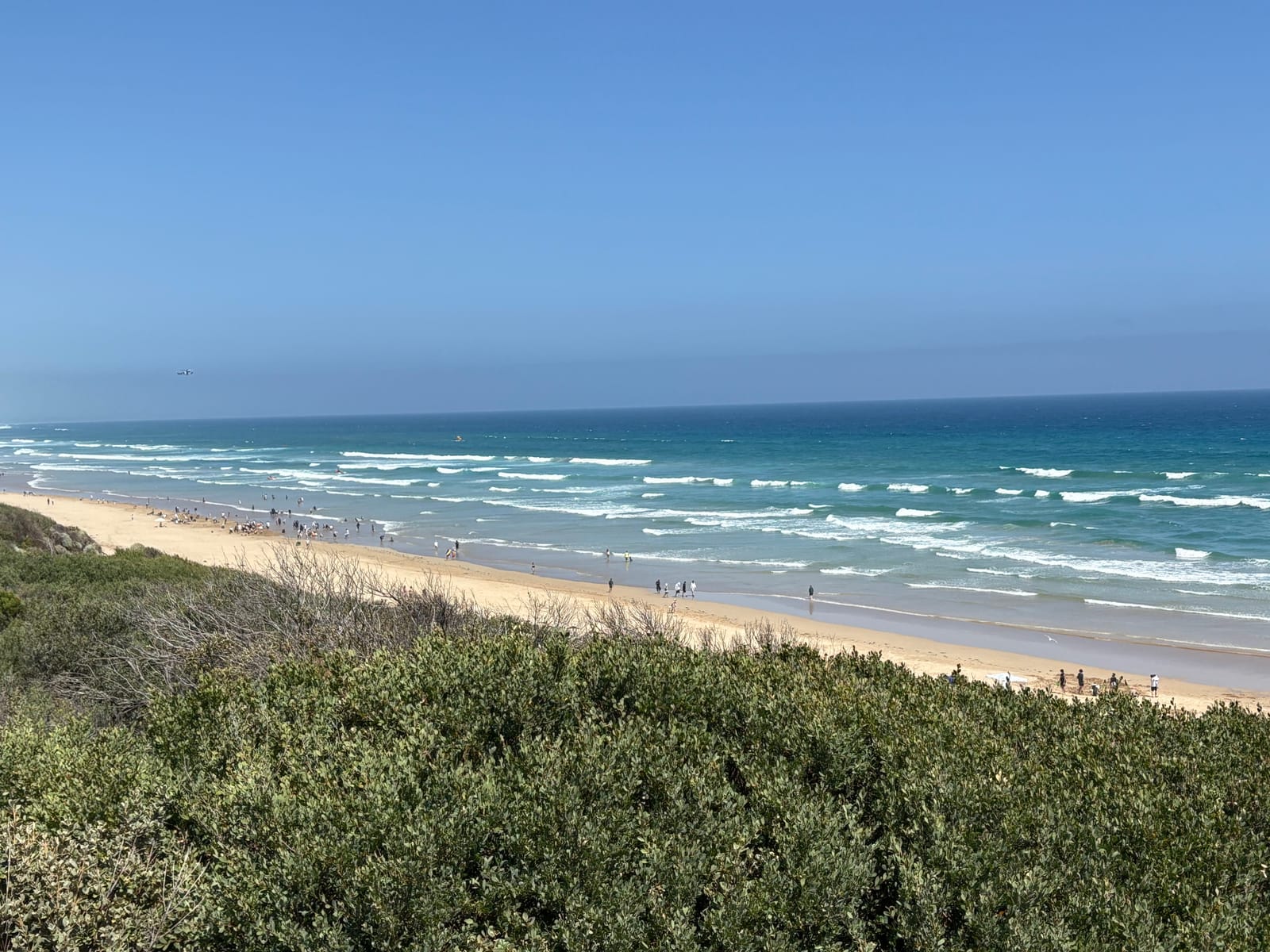
As dawn broke over Venus Bay on day three of the search for missing 12-year-old Taylors Hill boy Danny, VicPol’s Air Wing could again be heard in the skies above the popular Prom Coast beach town, sweeping the shoreline from Point Smythe Coastal Reserve through to Cape Liptrap.
Tragically, this time it was not deemed a rescue operation. Police confirmed that “due to the length of time Danny has been missing, police are now working to recover his body.”
Not long after the boy’s family lost sight of him while swimming at No.4 beach at Venus Bay on the morning of Sunday 25 January, a multi-agency effort involving the Water Police Squad, Coast Guard, SES, Life Saving Victoria and members of the public swung into action, scouring the water, beaches and dunes in a desperate bid to find Danny.
Hopes that Danny, who has autism, might be found wandering the dunes after last being seen wearing a navy blue rash vest and navy blue boardshorts with a white stripe were expressed. But, as one resident put it, “those dunes are almost as dangerous as the ocean - they're full of snakes, we've got so many tiger snakes and brown snakes.”
No.4 Beach at Venus Bay is not patrolled by life savers and swimming is not advised. It is a notorious stretch of water, where one man in his 20s drowned in 2014, while a Melbourne science teacher lost his life after attempting to help a teenager struggling in the water in 2021.
Venusian and Promontory Ward Shire Councillor Sarah Gilligan told the Prom Coast News, “It’s the busiest it’s been here in a decade and people just don't understand how dangerous it is.
“It's the third most dangerous beach in Victoria and there is only one tiny stretch that is patrolled and yet people are not familiar with the waters, where the holes are and how they move and where the rips are.”
“It's just terrifying to go down to the beach at the moment,” Councillor Gilligan added.
Ms Gilligan noted that there is warning signage at every beach entrance, and that Venus Bay received some of the first Public Rescue Equipment in recognition of it being such a high risk beach. The stations include call buttons for emergency services and rescue tubes for trained staff to assist in rescues.
Gilligan continued, “We've been working as a community for a decade to try and educate people about the risks they take here.” David Barrett