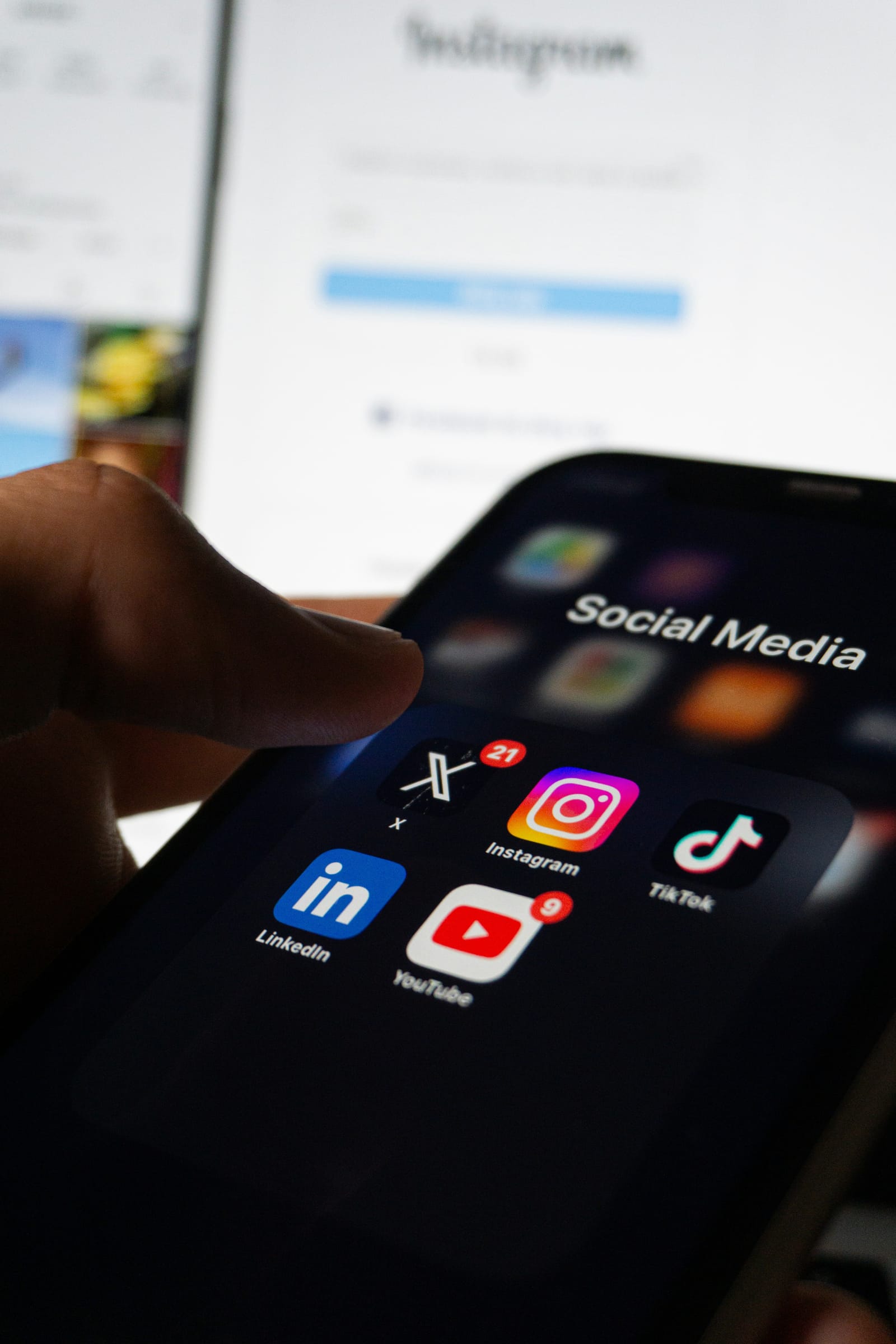
From December 10, the Federal Government’s ban on children under 16 using social media will be enforced by the eSafety Commissioner following the Online Safety Amendment Act 2024. The Act will require social media companies to implement systems to take reasonable steps to prevent people under 16 from holding accounts.
The controversial bill has been framed as a public health initiative, claiming to protect children from online predators and unsavoury content, as well as a way to combat poor mental health, cyberbullying, and disordered eating and body image.
South Gippsland Youth Council Member Isla Haw is sceptical of the new measure.
“I’m definitely against the ban mainly because I think it’s such a dramatic change for something that seemingly isn’t really an issue,” she says.
Haw believes the media apps have done enough to keep teens safe on the internet.
“The inappropriate stuff on social media is on the news and in the real world everywhere,” she notes.
Critics argue that the changes will make it harder for children to stay in contact. With fewer families with landlines, many kids are using social media to keep in touch with each other. This change will make it more difficult for children to keep in touch with their friends who move away, or people they might not see at school.
The Libertarian and Greens parties are both opposing the ban. Greens Senator Sarah Hanson-Young says, “You don’t make platforms safer by just locking young people out. The Greens do not support a blunt age ban and will keep pushing for stronger action backed by evidence to tackle the toxic algorithms and insidious business model of these giant corporations.”
Libertarian MP David Limbrick says, “We believe free speech is precious and needs to be protected from government intrusion, and we don’t believe governments should interfere in the relationships between parents and their kids … lots of kids engage with social media in positive ways, and it is insulting to suggest that they don’t.”
On the other side of the coin, supporters say the ban would encourage children to interact with people in real life rather than online, helping them develop intrapersonal communication skills and friendships.
Uniting Vic.Tas CEO Scott Watters is in favour of the initiative, deeming it necessary as social media “exacerbates issues like anxiety, loneliness, cyberbullying, and unhealthy self-comparisons among young people.”
The ban may make it harder for children to suffer from cyber-bullying (and its associated effects) and would reduce the workload of schools in resolving online conflicts which leak into the classroom and distract students from their learning.
Many commentators have pointed out that the ban is incomplete with many social media platforms being left out of the ban (including WhatsApp, Messenger, Discord, and Roblox), or that the ban will be nigh on impossible to enforce with the ability to use fake ID, other people’s accounts, or VPNs to avoid Australia’s jurisdiction.
There is also a sense of unfairness among local young people. With the Victorian Government now sentencing children over the age of 10 to adult time for violent crime, children can now be held accountable for their crimes but are not allowed to use social media. Luke Hannigan