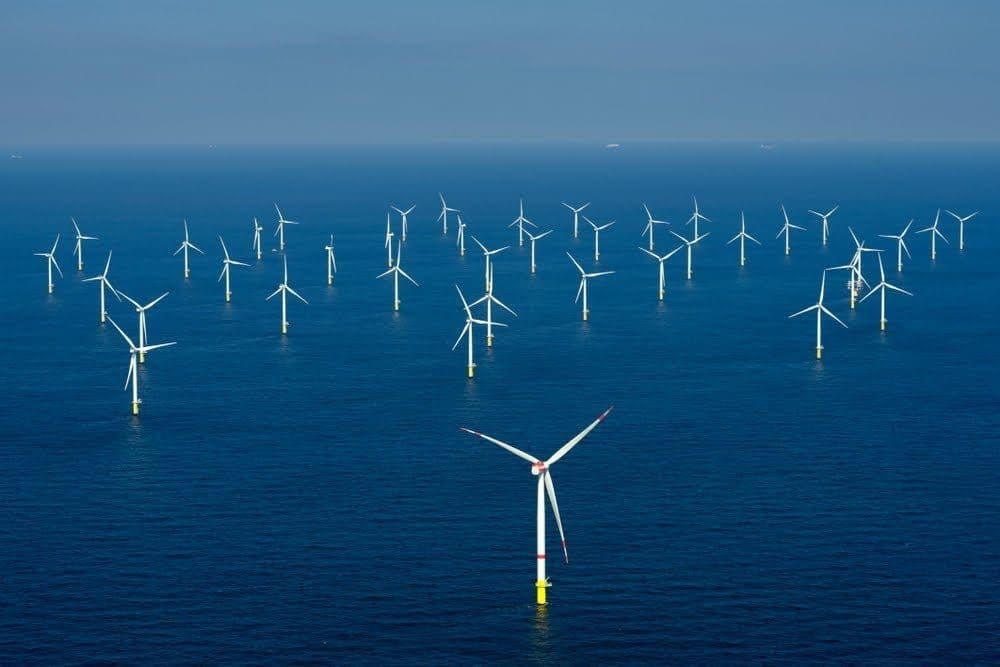
South Gippsland Shire Council’s Mayor Nathan Hersey has clarified the Council’s position on offshore wind after a recent push from Councillor John Kennedy to have Port Anthony designated as the primary construction base for Gippsland’s offshore wind industry. On Friday, the Mayor acknowledged the Victorian Government's preferred location at the Port of Hastings and repositioned the Shire's advocacy for Port Anthony around long-term operations and maintenance jobs.
Championed by Cr Kennedy in July’s council meeting, and featured on the front page of the 21 July issue of the Sentinel-Times, the argument to construct the wind turbines from Corner Inlet centred on Port Anthony’s access and proximity to the Bass Strait wind zones, and the potential to save taxpayers upwards of $1 billion during construction. A figure of $120 million was also cited in connection with the proposal, though the source for these numbers was not publicly announced.
The Mayor's subsequent statement reframes Council's position around operations and maintenance rather than construction: "South Gippsland is well positioned to secure the significant long-term opportunities associated with operations and maintenance."
"Decisions about how, and to what extent, the ports may be used will ultimately involve their owners, the Victorian Government and individual project proponents," Mayor Hersey added.
The Prom Coast News reached out to Southerly Ten, one of the twelve offshore wind proponents awarded feasibility licences in the Gippsland zone, whose Chief Development Officer Erin Coldham provided detailed information on the role local ports could realistically play.
Coldham emphasised that the long-term operations and maintenance case for Corner Inlet’s ports is real and significant. "A Gippsland offshore wind operations base at Port Anthony or Barry Beach can mean a job for life. These jobs span decades, long after the cranes have packed up from construction," Coldham said. A 2 gigawatt project like Star of the South could support up to 200 long-term jobs in Gippsland over a minimum 30-year operational life.
But she also confirmed that the proposed Victorian Renewable Energy Terminal at Hastings in Westernport Bay is a “good” option for major construction "because it has a naturally deep channel," noting that large offshore wind vessels require around 12 metres of water depth. "The water depth at Corner Inlet ports is around 6 metres," she said, answering the question of whether Port Anthony could substitute for Hastings as a major construction hub.
It cannot, without significant dredging.
On dredging, Coldham was unambiguous: "No dredging of channels is proposed." She noted that Southerly Ten has assessed vessel movements from various ports as part of its environmental assessments.
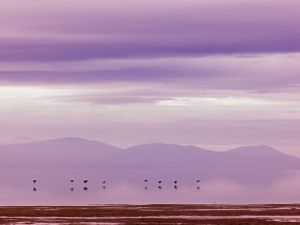
The question of dredging is important for reasons beyond immediate economics. Port Anthony and Barry Beach sit within Corner Inlet, an internationally recognised Ramsar wetland surrounded by three marine national parks, home to the local fishing industry, a tourism mecca, critically endangered migratory shorebirds, the world's most southerly coastal mangrove forests, and extensive seagrass beds that sequester significant quantities of blue carbon.
Local environmental campaigner Julia Merrington said the ecological stakes needed to be part of any serious conversation about the port's future role.
"Port Anthony and Barry Beach are both located within Corner Inlet itself. Any proposal that required dredging right inside a Ramsar wetland would face very significant environmental and regulatory barriers. It's why the marina plan for Corner Inlet was shelved, and why Esso have been at pains to point out they don't need to dredge for the rig recycling plant at Barry Beach," she said. "We have to decide what Corner Inlet is: a Ramsar wetland surrounded by marine national parks, or an industrial harbour. It cannot be both," Merrington noted.
The Victorian offshore wind auction is scheduled to open in August 2026. Cara Schultz