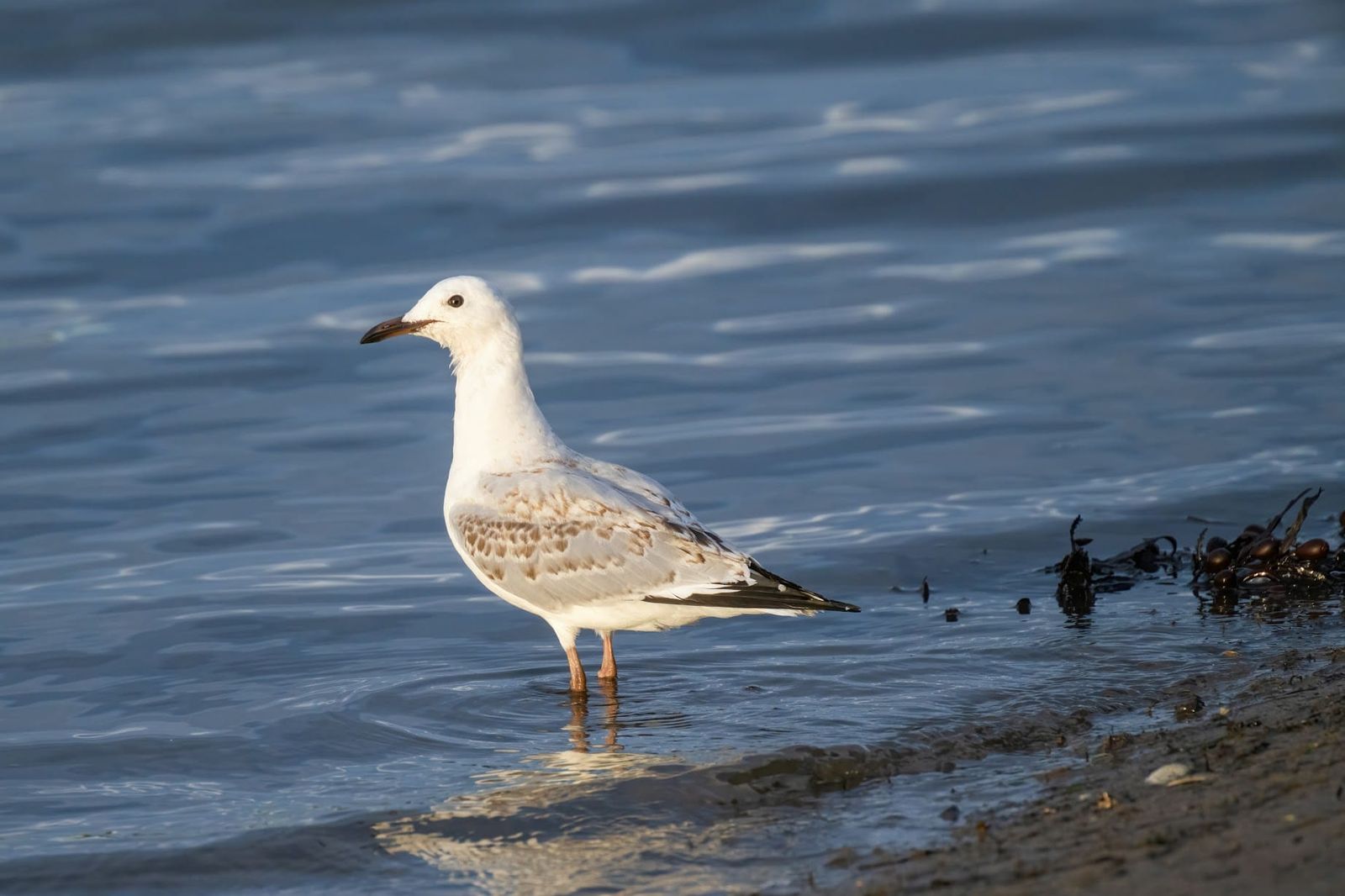
H5N1 highly pathogenic avian influenza has arrived in eastern Victoria, with the state confirming 53 birds from 37 locations, include at Clyde in Melbourne's south east, as of 8am on 9 August. The cases include greater crested terns, one silver gull, one magpie and one unidentified bird, all undergoing confirmatory testing at CSIRO’s Australian Centre for Disease Preparedness. DEECA has confirmed that H5 bird flu is now present in the crested tern population in the region, and the community should expect to see more sick and dead terns in the coming weeks.
For the Prom Coast’s birdwatchers, wildlife carers and conservationists, the news is expected but painful. Watching our local birds and animals fall ill and die will be hard. But local observers and groups are already responding with purpose.
Members of the South Gippsland Bird Observers Club have been briefed on protocols and are actively following them. "Members of our group have a heightened awareness of the guidelines," club member Lyn Jamieson said. "One of our group came across a dead bird on the rail trail between Fish Creek and Foster recently, followed the guidelines, and was pleased to find that their notification was responded to with a visit to the reported site the next day by an officer from Agriculture Victoria." The bird had been eaten and could not be tested, but the prompt follow-up was noted and appreciated.
Wildlife in Sandy Point (WiSP) and BirdLife Australia volunteer Wendy Hayes, noted that the local breeding season is about to start and that many birds will be congregating. “Volunteers like me are anxious about what this means for terns and shorebirds at Waratah Bay, Sandy Point, Wilsons Prom and Corner Inlet, many of which are already threatened by loss of habitat, predators and frequent severe weather events. If you see a hoodie, tern or any shorebird, please keep well back and keep dogs on a lead. Don’t touch or move a sick or dead bird,” Wendy said.
BirdLife Australia's beach-nesting bird coordinators across the Bass Coast and South Gippsland have been notified that the Hooded Plover nesting season has officially begun (a nest was recorded in South Australia on the weekend) and monitors are being asked to head out to their regular sites and report any sick or deceased birds immediately, as well as recording normal observations through the MyBeachBird portal.
The federal government has released a ranking of more than 2,000 native birds and mammals by their vulnerability to H5N1. Five species face "extreme risk," meaning extinction is possible if the virus reaches their populations. More than 80 endangered and critically endangered species rank "high" or worse. Tasmanian devils and eastern quolls are assessed as likely to survive but face severe population reductions. A range of dolphins, whales, seals and sea lions face significant impacts.
Invasive Species Council CEO Jack Gough called the rankings a "list of doom" and is calling for an emergency $200 million investment in wildlife resilience, including predator control, habitat protection and monitoring, separate to the government's biosecurity response. "We won't be able to stop bird flu spreading through wildlife, so the best response needs to be dealing with all the other threats: the foxes, the cats, the rats on islands, making sure wetlands are well connected."
Federal Environment Minister Murray Watt has acknowledged the situation is likely to be "very serious" and that wild bird vaccination is not currently feasible (requiring two doses means catching already-stressed wild birds twice) but trials in captive facilities are underway, and significant investment has already gone toward removing feral predators from key habitats. Victoria's Chief Biodiversity Officer James Todd has asked the community to continue reporting. "Our best early warning system for H5 bird flu remains the Victorian community."
What you should do: Do not touch any sick or dead bird or marine mammal. Record the date, time and location, take photos from a safe distance, and call the Emergency Animal Disease Hotline on 1800 675 888. If you keep backyard chickens, review your biosecurity now. Keep poultry away from wild birds, clean equipment regularly and report any unexplained deaths promptly. More information at agriculture.vic.gov.au/birdflu. Cara Schultz